MBA Classrooms Become CEO Simulations
Inside today’s MBA classrooms, the case study is losing ground to something far more intense: executive simulations where students take the CEO’s chair, battle competitors and watch their decisions reshape entire companies in real time. Here’s how business schools from Barcelona to India are turning management education into a live strategic arena.
Author -Bhanvi Sharma
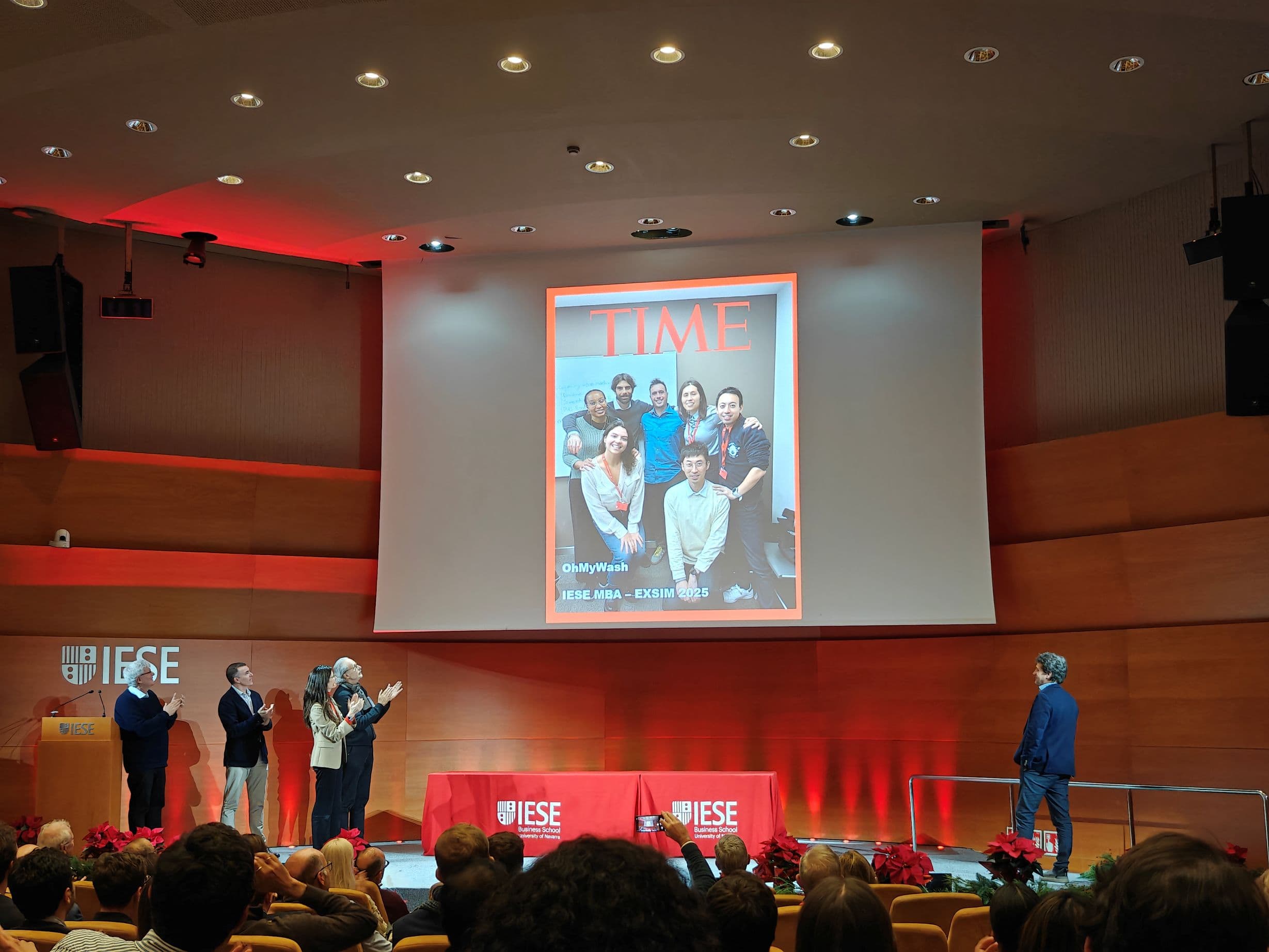
Running a company under tight deadlines isn’t just for seasoned leaders anymore. Across the globe, business schools now drop students into intense mock environments - no longer limited to reading old cases. These live scenarios push MBAs to act fast, think sharp because consequences unfold by the minute. Real stakes, real choices and real results shape their training today.
A session at IESE Business School in Barcelona offered a hands-on test through its EXSIM program. Over five days, students step into positions like CEO, CFO, CMO, or COO within a fictional manufacturer. Every cycle stands for four months of business activity; performance is measured head-to-head with competing groups across an identical digital marketplace.
EXSIM: Five Days That Felt Like Five Years.
Inside the IESE executive simulation
During the exercise, students make decisions across the entire business:
- Pricing and marketing strategy
- Production planning
- Hiring and capacity investments
- Financial management
- Sustainability initiatives
When rivals make moves, players need to react fast - especially when surprises pop up. The course layout shows groups fighting over customer reach, earnings, investor value, and sustainability results, calling it “a classroom experience that feels just like an actual executive meeting.” EXSIM: Five Days That Felt Like Five Years.
Fueled by ambition, the schedule pushes limits. Built into the structure, effort stretches across days that blur together - mornings bleed into nights without pause. Weeklong sessions pack lifetimes of choices into tight loops of time.
Global contests show the pattern
Far beyond a single campus, this move to hands-on practice through simulated environments continues to spread. Across continents, learners in management programs face off in complex virtual markets – with scores based strictly on measurable results.
A win by students from Bharathidasan Institute of Management in Tiruchirappalli marks their rise to the top spot across two major global simulations - CAPSTONE and CAPSIM. Though rivals arrived from elite institutions like the IIMs, these learners held firm. Worldwide representation filled the arena, yet one team stood apart through consistent execution. Victory came not overnight but after rounds of strategic moves that beat peers on an international stage.
BIM wins global business simulation competitions | Trichy News - Times of India
Institute leaders said it had never happened before across two decades of contests: a single school claiming top spots in both beginner and expert divisions. Those teaching the course pointed out how practice scenarios let learners absorb new ideas, drop outdated ones, then build again - something vital when industries shift so quickly today.
Schools Shift Away from Case Studies
Looking back, real-world examples let learners study what happened before. Yet hands-on scenarios build something else entirely - experience through doing.
- Outcomes depend on student choices.
- Quick decisions can catch the competitors off guard. Responses shift constantly as rivals adjust in real time.
- Mistakes have visible consequences.
Bold moves in marketing hit dead ends if factories can’t keep up, yet reaching too fast without savings in the bank shuts everything down. In IESE’s setup, one misstep like that drains momentum just as quickly as the next.
Employers often look for this sort of cause-to-effect thinking when hiring MBAs these days. It's become a common expectation across companies seeking fresh business talent.
The New Reality of MBA Training
Now showing up in business classrooms across Europe, India, and the U.S., executive simulations are reshaping how leaders learn. Instead of lectures alone, schools rely more on these dynamic exercises woven into their core training.
Facing today's business challenges, some MBA courses now pose a sharper query than past case studies ever did. Rather than dissecting an old decision by a top executive, learners confront something closer to real time. A shift has taken place - prompting reflection on immediate choices instead of distant ones. The spotlight moves from historical analysis to present thinking. What would you do right now? That is the question echoing in lecture halls lately
Running a company means choices never stop coming. One step follows another, whether you feel ready or not.
Facing tough choices like a CEO? Some classrooms now run drills that mimic high-stakes decisions, sudden risks, because real-world tension teaches better than textbooks. Yet others still rely on old methods, despite evidence piling up around hands-on practice.